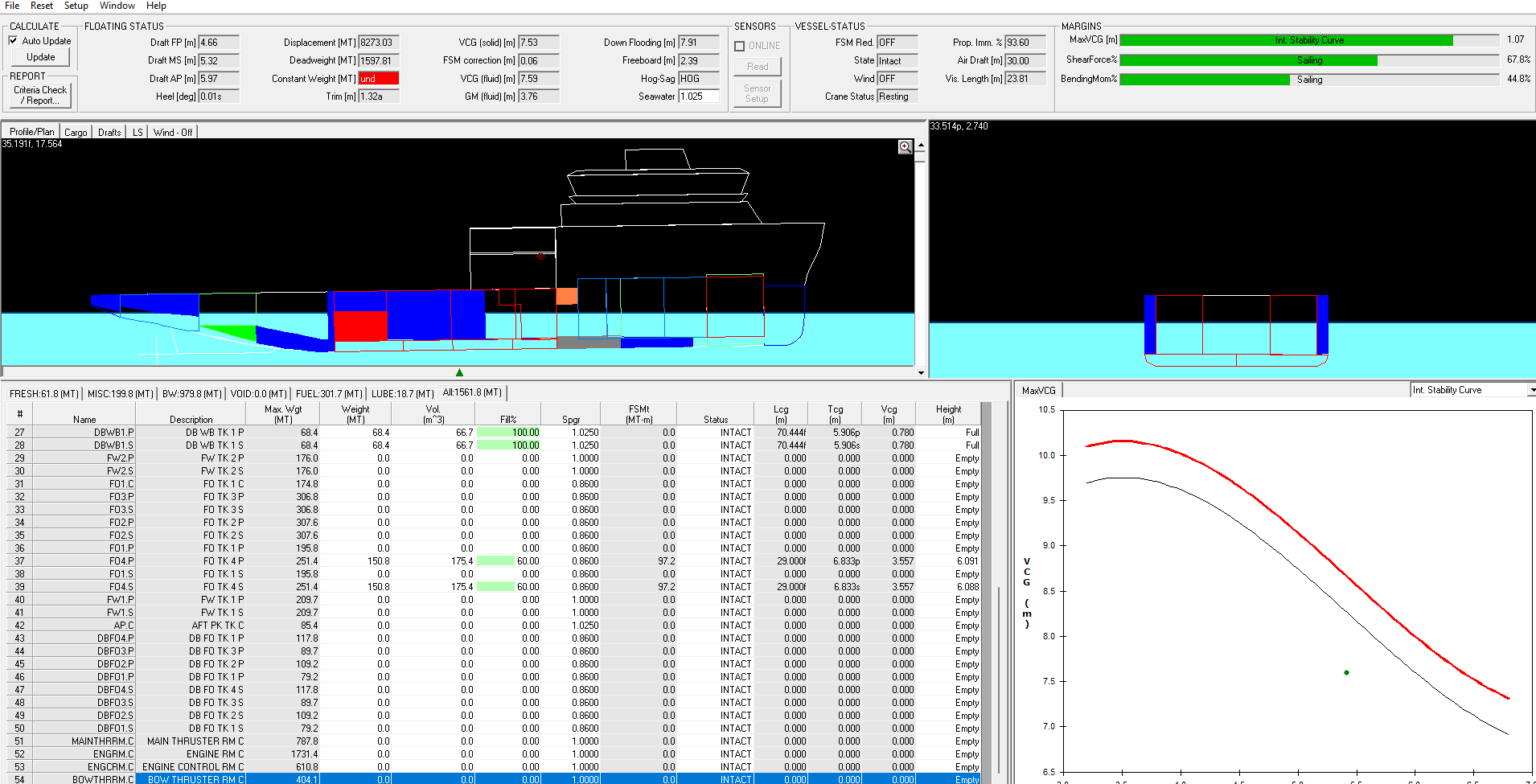
This training course provides a comprehensive introduction to the use of Autoload Onboard Stability Software, equipping users with the knowledge and practical skills required to safely and effectively manage vessel loading and stability.
 
The course begins with an Introduction to Autoload, outlining its purpose, overall functionality, and regulatory context. Participants are then presented with a concise overview of hydrostatics and vessel stability theory, covering essential principles such as intact and damaged stability, righting arms, free surface effects, and applicable stability criteria.
 
Learners are guided through the initial setup of Autoload, including installation of the software and vessel‑specific data files, launching the application, and an introduction to tank and draft sensor functionality. The course also covers the various system modes, including offline operation, auto‑update mode, and alarm system configuration.
 
A major focus is placed on understanding and using the Autoload windows, such as tank, weight, draft status, longitudinal strength and wind interfaces. This ensures trainees develop a thorough understanding of each window and its full operational capability.
 
The training also covers how to create, run and save loading conditions and subsquently are introduced to report generation including Daily Summary, intact, damage, longitudinal strength, and class approval reports, along with exporting and printing options.
 

Participants are shown how to access manuals, certificates, and reference documents using the Document Viewer, and how to utilise the Deck Loading Module to manage deck layouts, cargo placement, and additional cargo‑related features.

Advanced content includes the Crane Loading Module, covering crane configuration, safe working loads, outreach calculations, hook settings, lifting operations, and printing crane lift information.

The course concludes with training on alarms, reinforcing how to identify, trigger, and respond to alarms using the skills learned throughout the course.

By the end of the training, participants will have covered all of the key features for operating Autoload onboard, assessing vessel stability, managing loading operations, and ensuring compliance with safety and regulatory requirements.